The 2025–2026 School Screening Mandates Come Due
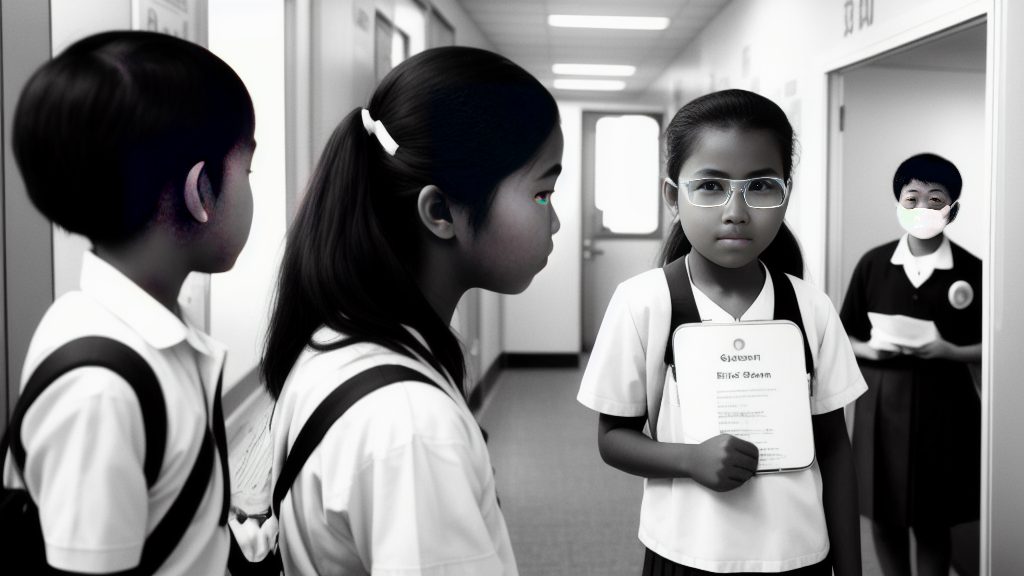
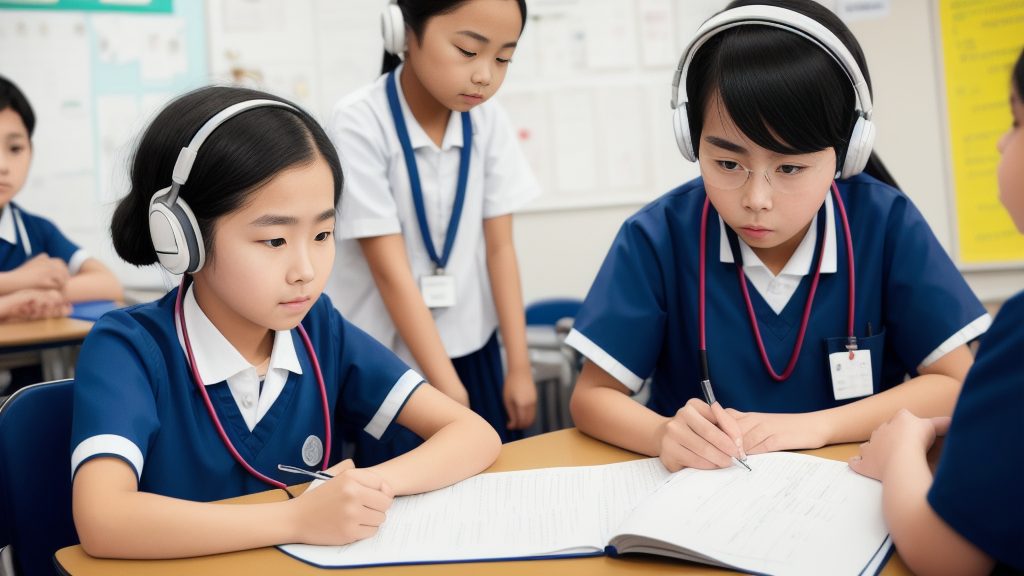
Public schools across the country are required to screen students for vision, hearing, and scoliosis in mandated grades when those checks are not already documented on a health exam. The requirements are set by state, and the 2025–2026 year keeps them firmly in place while adding wrinkles that districts have to plan around.
Texas, through its Department of State Health Services, mandates four categories: vision, hearing, spinal (scoliosis) screening, and acanthosis nigricans — a skin marker associated with insulin resistance and type 2 diabetes risk. California requires vision screening on school entry and every third year thereafter through grade eight, typically in kindergarten or first grade and again in grades two, five, and eight.
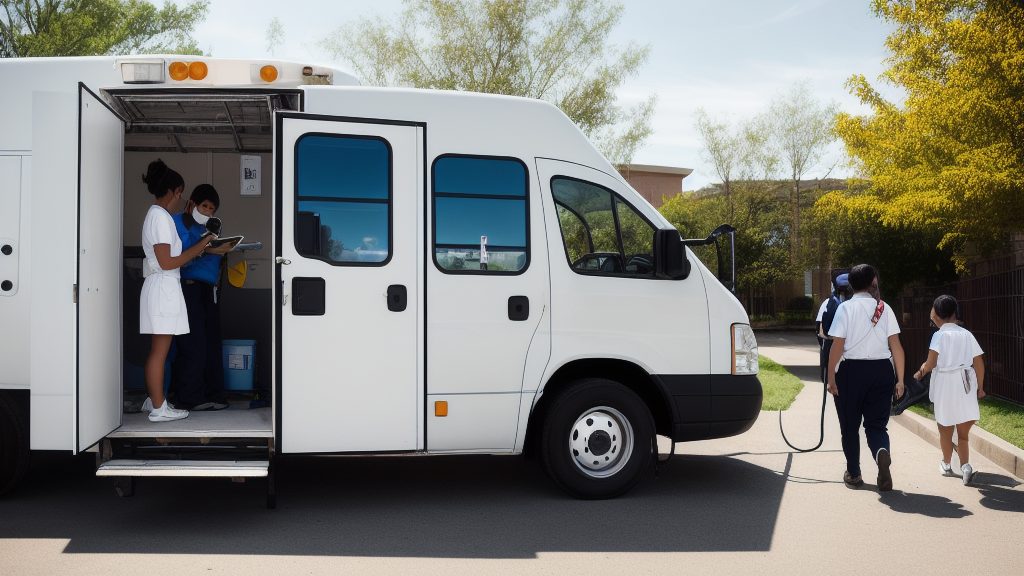
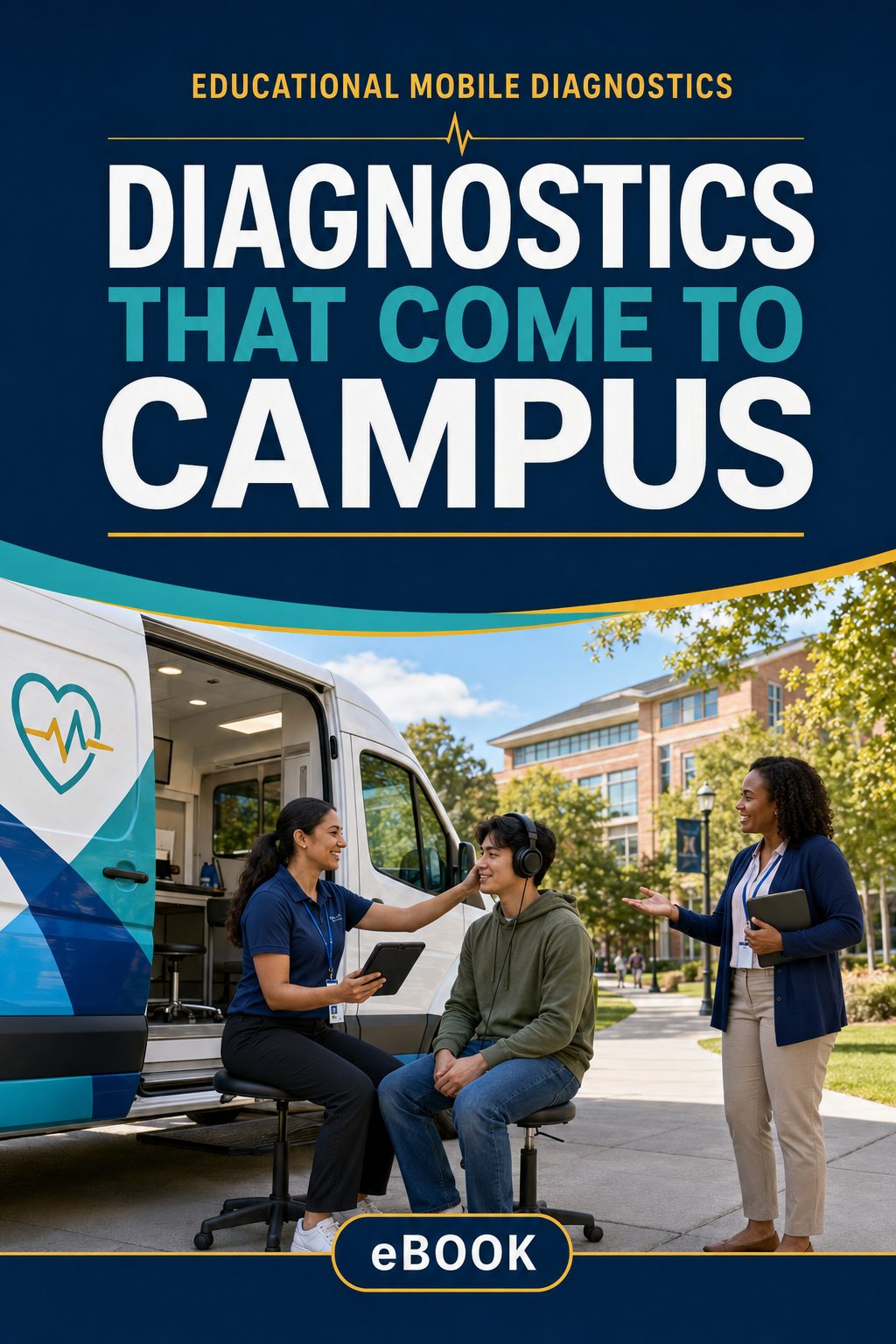
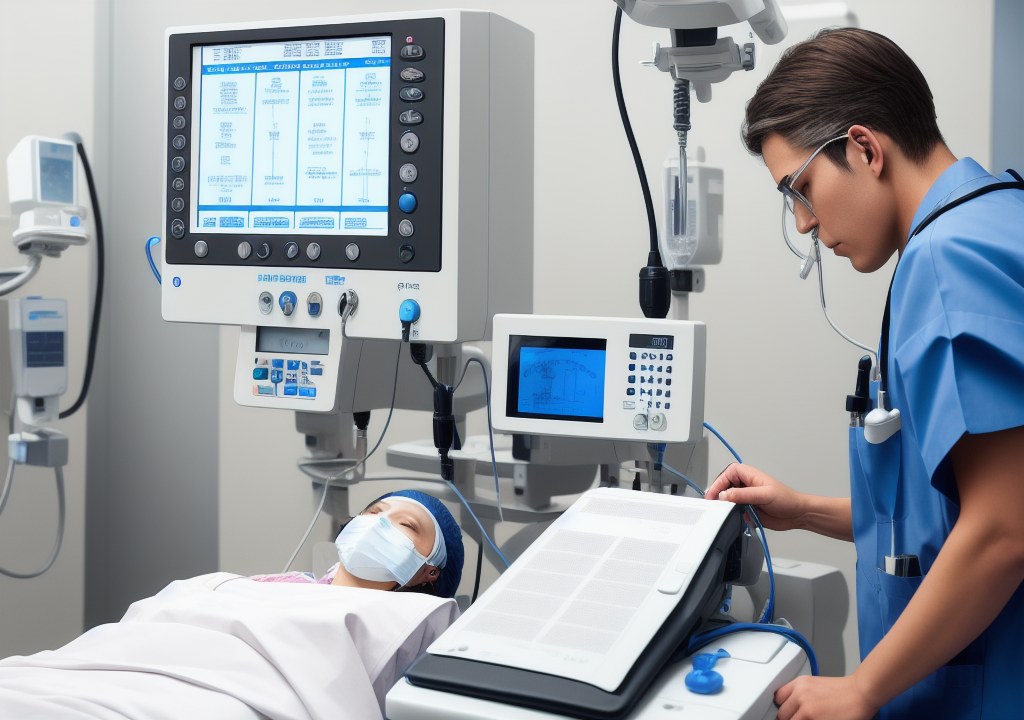
Early detection is the point. A missed vision or hearing problem shows up as a learning or behavior problem long before anyone connects it to acuity, and a spinal curve caught early is far easier to monitor. A mobile unit lets a district clear an entire campus in a single visit and hand back clean, referral-ready records.
Numbers make the case better than argument does. The NIH’s National Institute on Deafness and Other Communication Disorders reports that about 2 to 3 of every 1,000 children in the United States are born with a detectable level of hearing loss in one or both ears — and hearing can change after the newborn screen, which is precisely why the school-age checks exist. The CDC maintains its own surveillance data on hearing loss in children for the same reason: the condition is common enough to be worth catching systematically, and quiet enough to be missed one child at a time. Scale that across a district of several thousand students and the arithmetic is unavoidable — in every grade there are children carrying a correctable deficit nobody has documented yet. Our mobile units are built for exactly that arithmetic: one visit, every student, referral-ready records in the nurse’s hands before we pull out of the parking lot.
Sources: Texas DSHS — Spinal Screening; CA School-Based Health Alliance; NIH NIDCD — Quick Statistics About Hearing; CDC — Hearing Loss in Children Data